Materials · CR-0002
Silver
Argentum. Sterling at 92.5% pure, alloyed with copper for hardness.
- Collection
- Materials
- Origin
- Andes, principally Cerro Rico, from 1545
- First observed
- 2024-05-02
- First published
- 2024-07-15
- Last revised
- 2025-11-30
- Status
- In the archive · open to revision
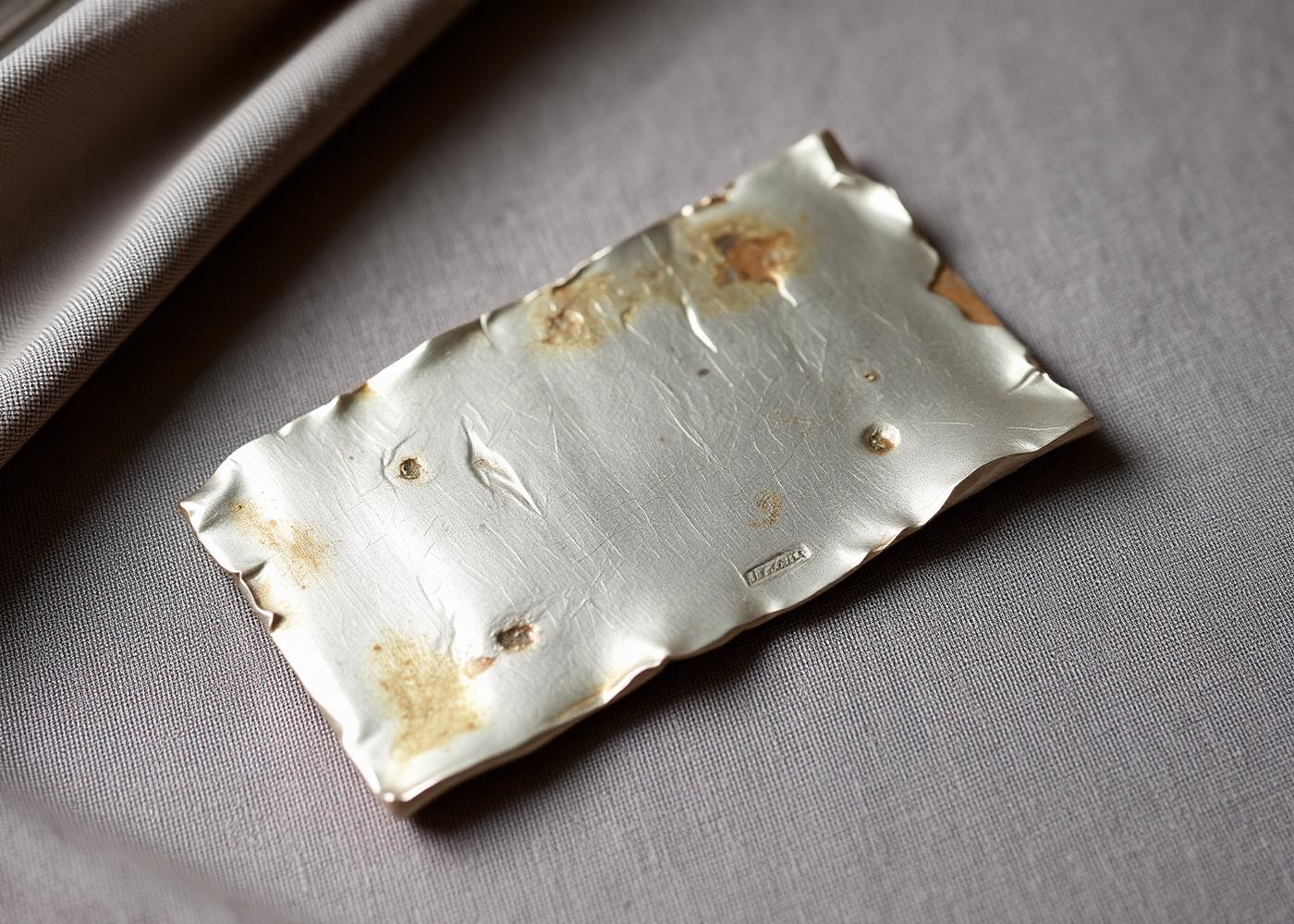
Generative model, no photographic original
What is it made from, where did those materials come from, and what did their production cost?
The most reflective and most conductive of the metals, and soft enough that pure silver cannot hold an edge or a shape. Everything usable is a compromise with copper.
Whose hands made it, what techniques were used, and how was that knowledge transmitted?
Silver is worked cold and annealed when it resists — heated to red, quenched, made soft again. A silversmith spends as much time reversing the metal's memory as shaping it.
What does its presence mean, to whom, and how has that meaning changed?
In the Andes silver is not a precious metal first; it is a colonial fact. The Potosí mines financed an empire and consumed the labour of the people who lived above them.
What ecological, economic, political, or logistical systems must exist for this to exist?
Roughly three quarters of mined silver today is a by-product of copper, lead, and zinc extraction. Its price is therefore set largely by demand for other metals — a material with almost no supply of its own.
What does it ask of or do to a body, a place, or the senses?
It tarnishes. That is the argument for it — a silver object records the air it has lived in and the hands that have polished it.
Provenance and method
Research methods
- Published-source research
- Archival research
- Material or kitchen testing
Sources
- 1Published sourceUSGS Mineral Commodity Summaries, silver, most recent edition.
- 2Archival materialColonial mining records, Potosí, secondary compilation.
- 3Personal experienceBench work: annealing and tarnish observation on sterling offcuts.
Revision history and errata
1 recorded revision
This entry can change. Every correction is dated and described here; earlier text is never quietly removed.
- First published
- 2024-07-15
- Last revised
- 2025-11-30
- Revised the by-product share from 'most' to roughly three quarters, with the source named.